

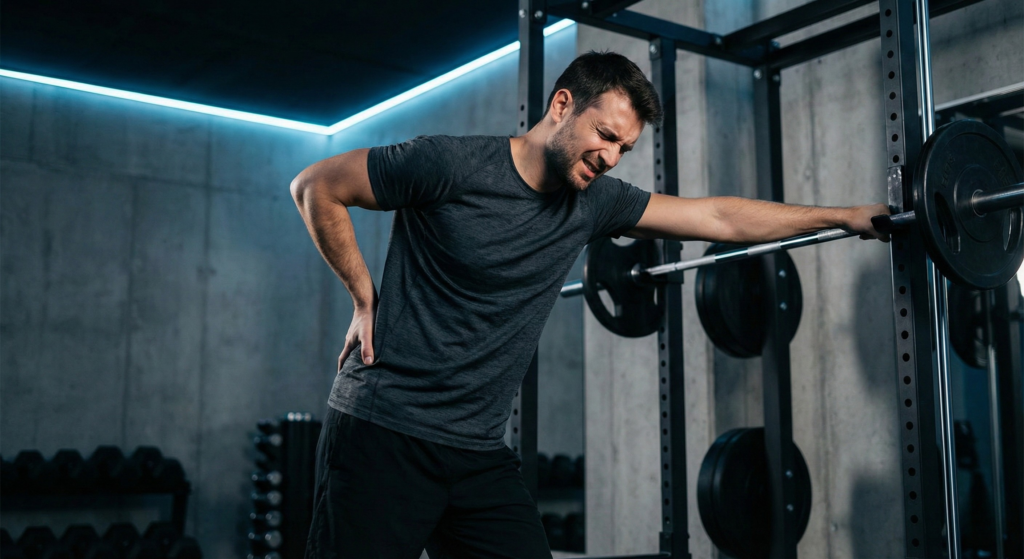
Lower back pain can stop you from doing even simple things—tying your shoes, getting out of bed, or sitting at your desk. It’s one of the most common reasons people in San Diego visit a chiropractor or physical therapist.
But here’s the good news: most back pain isn’t from “something broken.” It’s usually a combination of stiff joints, weak muscles, and movement habits that overload certain areas. Once you understand what’s really going on, you can fix it — and prevent it from coming back.
At RX Rehab & Performance, we help active adults and athletes find real relief by treating the root cause, not just the pain.
1. Understanding Lower Back Pain
Your spine is strong. It’s made to bend, twist, lift, and move all day. When back pain shows up, it’s not because your spine is “out of place” — it’s usually because the muscles, joints, and nerves aren’t working together the way they should.
Common reasons include:
- Long hours of sitting that make the back muscles tighten and weaken.
- Poor lifting technique or sudden overload (especially in the gym).
- Weak glutes and core muscles that force the lower back to do all the work.
- Limited hip mobility, which causes extra motion at the spine.
- Repeated stress or training without enough recovery time.
Quick Fact: Even people with healthy, pain-free backs often show “disc bulges” on MRI. Pain is more about irritation and sensitivity than damage.
2. How Back Pain Feels
Not all back pain feels the same. Some people describe it as a dull ache or tightness, while others feel sharp, stabbing pain when they bend or lift. You might also feel stiffness in the morning or notice that pain moves into one leg — that’s when the sciatic nerve may be involved.
If you notice numbness, tingling, or weakness in your legs, or if pain keeps getting worse, that’s a sign to get checked by a professional.
3. The Real Cause: Load and Control
Think of your spine like a suspension bridge. If one cable (muscle group) is loose or overloaded, the stress spreads unevenly.
Back pain often starts when one area — usually the lower back — takes on more load than it’s designed for.
At RX Rehab & Performance, we teach patients how to redistribute that load by improving hip motion, strengthening the glutes and core, and retraining how they move through daily tasks like squatting, bending, or sitting.
4. What Actually Helps
A. Keep Moving (Don’t Rest Too Much)
Years ago, rest was the main advice for back pain. Now, we know that gentle movement helps you heal faster.
Try short walks, gentle stretching, or simple floor movements like cat-cow and pelvic tilts to keep your spine mobile.
B. Build Strength and Stability
Once pain begins to calm down, it’s time to rebuild support.
Start with movements that activate your glutes and core:
- Glute Bridge – strengthen your hips, reduce low back strain.
- Bird Dog – train coordination between your trunk and pelvis.
- Side Plank (modified) – build endurance in deep stabilizers.
As strength improves, progress to hip hinges (like deadlift patterns) to retrain proper bending mechanics.
C. Fix the Way You Move
The way you lift, sit, and stand affects how much stress your lower back takes.
A small change in posture or movement pattern often makes a big difference.
For example, when bending to lift, shift your hips back and engage your glutes — don’t round from your low spine.
5. What to Avoid
When pain is fresh, skip movements that crank on the lower back, like heavy deadlifts, sit-ups, or twisting stretches. Avoid long periods of sitting — especially soft couches that sink your hips lower than your knees.
Instead, change positions often. Movement is medicine — even standing up every 20 minutes helps.
6. When to Get Professional Help
If your pain hasn’t improved after a week or two, or if it shoots into your leg, it’s time for an expert assessment.
Our clinicians at RX Rehab & Performance use a blend of manual therapy, mobility work, and personalized exercise programming to identify what’s causing your pain — not just mask it.
We help you rebuild confidence in your movement, so you can lift, run, and train again without fear of reinjury.
7. Long-Term Relief Comes from Strength
Lasting relief isn’t about cracking joints or stretching tight muscles — it’s about giving your body the ability to handle stress again.
That means:
- Keeping your core and hips strong.
- Staying active and moving daily.
- Building resilience through progressive exercise, not passive treatment.
Once your back learns to share the load properly, flare-ups become rare — and your confidence returns.
FAQ
Q1: What is the fastest way to relieve lower back pain?
The fastest way is gentle movement and finding comfortable positions. Short walks and light mobility work can calm pain faster than rest.
Q2: How do I know if my back pain is serious?
If you feel numbness, weakness, or pain down one leg that doesn’t improve within a few days, get checked by a professional.
Q3: Can chiropractic or physical therapy help back pain?
Yes. Combined care that includes manual therapy and exercise helps reduce pain and build long-term strength.
Q4: What exercises are best for lower back pain?
Glute bridges, bird dogs, and hip hinge drills help restore balance between your core and hips, taking pressure off your spine.
Q5: How do I prevent back pain from coming back?
Keep moving, strengthen your hips and core, and avoid long periods of sitting. Consistency is key.
Conclusion
Lower back pain doesn’t have to control your life.
With the right guidance, most people can get lasting relief without medication or surgery.
At RX Rehab & Performance, we help you move better, build strength, and stay pain-free — so you can keep doing the things you love.
